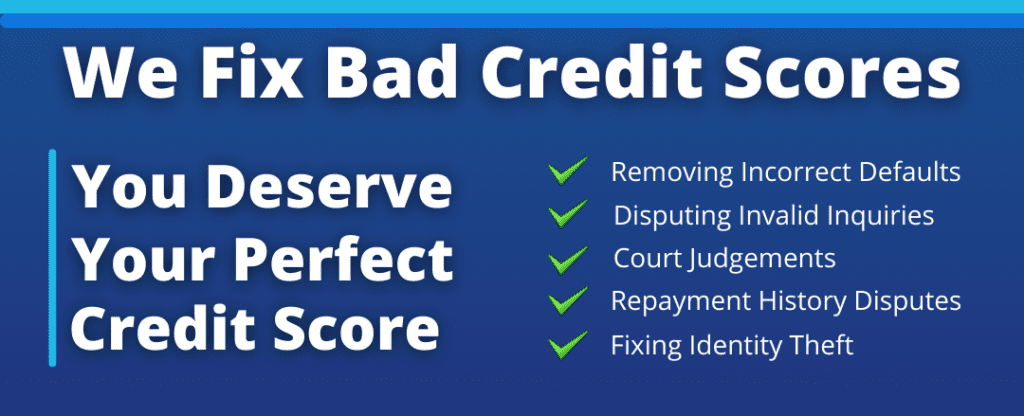
Let's be honest – having poor credit in Australia feels like you're carrying around a financial anchor. Whether it's a default from a mobile phone bill you forgot about, a late payment during a tough patch, or even a court judgment that's haunting your credit file, bad credit can feel overwhelming.
But here's the thing: your past doesn't have to define your financial future.
If you're reading this, chances are you've been knocked back for a home loan, struggled to get approved for a credit card, or maybe you're just tired of paying sky-high interest rates because of your credit score. Sound familiar? You're definitely not alone – thousands of Aussies are dealing with credit challenges right now.
The good news? Credit repair isn't just possible; it's something you can start working on today. And by the end of this comprehensive guide, you'll understand exactly how the credit repair process works in Australia, what your options are, and most importantly, how to take the first steps toward financial freedom.
Why Your Credit Score Matters More Than You Think
Your credit score isn't just a random number – it's basically your financial reputation condensed into three digits. In Australia, credit scores typically range from 0 to 1,200 (depending on which credit reporting body you're looking at), and this number influences far more of your life than you might realise.
The Real Impact on Your Daily Life
Think about it: when you apply for a home loan, the lender isn't just looking at your income. They're diving deep into your credit history to see if you're someone they can trust with potentially hundreds of thousands of dollars. A poor credit score doesn't just mean rejection – it can mean:
- Higher interest rates that cost you thousands extra over the life of a loan
- Larger deposits required for utilities, mobile phone contracts, and rental properties
- Limited housing options as landlords increasingly run credit checks
- Difficulty getting approved for business loans if you're self-employed or want to start a company
- Potential employment issues in certain industries that conduct credit checks
But here's where it gets interesting: many Aussies don't even know what's actually on their credit report. According to recent studies, a significant percentage of credit reports contain errors or outdated information that's unfairly dragging down scores.
Ready to see what's really on your credit file? Don't wait – the first step to improving your credit is understanding where you stand right now.
Understanding Australia's Credit Reporting System
Before we dive into how credit repair works, you need to understand the landscape you're dealing with. Australia has three major credit reporting bodies (CRBs), and each one might have slightly different information about you:
Equifax (Formerly Veda)
Equifax is probably the most well-known credit reporting agency in Australia. They provide comprehensive credit reports that include everything from your payment history to credit enquiries. What makes Equifax particularly important is that many lenders rely heavily on their data when making lending decisions.
Experian
As a global credit reporting giant, Experian operates extensively in Australia and provides detailed credit reports that can influence everything from your mortgage application to your mobile phone contract. They're known for their comprehensive approach to credit reporting.
Illion (Previously Dun & Bradstreet)
Illion focuses heavily on credit applications, defaults, and court judgments. If you've had any legal issues related to debt, there's a good chance Illion has this information on file.
Here's the crucial bit: each credit reporting body might have different information about you. That means you could have a decent score with one and a poor score with another. This is why comprehensive credit repair often involves checking and potentially disputing information with all three agencies.
What Actually Goes on Your Credit Report?
Understanding what information appears on your credit report is crucial for effective credit repair. Your credit file isn't just a simple list of debts – it's a comprehensive financial profile that includes:
Personal Information
Your full name, date of birth, address history, and employment details form the foundation of your credit report. Even seemingly minor errors here can cause problems, especially if there are inconsistencies that suggest identity issues.
Credit Accounts and Payment History
This includes every credit account you've ever had – credit cards, personal loans, home loans, car loans, and even some utility accounts. The report shows your payment patterns, including any late payments or missed payments.
Credit Enquiries
Every time you apply for credit, it leaves a footprint on your report. Too many enquiries in a short period can actually damage your score, as it suggests you might be desperately seeking credit.
Defaults and Serious Credit Infringements
This is the big one. Defaults occur when you've failed to pay a debt and the creditor has listed it with a credit reporting agency. In Australia, defaults can stay on your credit report for five years, even after you've paid them off.
Court Judgments and Bankruptcies
Legal actions related to debt, including court judgments and bankruptcies, appear on your credit report and can have severe impacts on your ability to obtain credit.
Public Records
Some public records, like bankruptcies and debt agreements, can appear on your credit report and significantly impact your creditworthiness.
The Hidden Costs of Bad Credit
Let's talk numbers for a moment, because the financial impact of poor credit goes far beyond just getting knocked back for loans.
Home Loan Interest Rate Penalties
Imagine you're looking at a $500,000 home loan. With excellent credit, you might qualify for an interest rate of 6.00% per annum. With poor credit, you might be looking at 8.00% or higher – if you get approved at all.
Over a 30-year loan term, that 2% difference equals approximately $186,000 in extra interest payments. Yes, you read that right – nearly two hundred thousand dollars extra, just because of your credit score.
Credit Card Limitations
Poor credit doesn't just mean higher interest rates on credit cards; it often means:
- Lower credit limits that don't meet your needs
- Annual fees that can't be waived
- Lack of access to rewards programs
- Higher cash advance fees and charges
The Rental Market Reality
In today's competitive rental market, landlords and real estate agents are increasingly using credit checks as part of their tenant screening process. Poor credit can mean:
- Larger rental bonds (sometimes up to 6-8 weeks' rent)
- The need for a guarantor
- Limited property options
- Potential rejection even with stable employment
Don't let poor credit cost you your dream home or thousands in unnecessary interest. The sooner you address credit issues, the sooner you can start saving money and accessing better financial opportunities.
Common Credit Report Errors That Cost You Money
Here's something that might surprise you: studies suggest that a significant percentage of Australian credit reports contain errors. These aren't just minor typos – they're substantial mistakes that can seriously damage your credit score and cost you money.
Identity Errors
Sometimes information from someone with a similar name gets mixed up with your file. This might seem unlikely, but it happens more often than you'd think, especially with common names.
Incorrect Account Information
Credit accounts that aren't yours, incorrect balances, or accounts showing as open when they're actually closed can all impact your credit score negatively.
Outdated Default Listings
Defaults that should have been removed (because they're older than five years or were paid and should show as satisfied) sometimes linger on credit reports longer than they should.
Duplicate Entries
The same debt might be listed multiple times, making your credit situation look worse than it actually is.
Incorrect Payment History
Late payments that were actually made on time, or payments showing as missed when they were only a day or two late, can unfairly damage your score.
The frustrating part? These errors don't just fix themselves. Without active credit repair efforts, incorrect information can stay on your credit report indefinitely, costing you money and opportunities.
Step-by-Step Guide to Credit Repair in Australia
Now let's get into the practical stuff – how to actually repair your credit. This isn't a quick overnight process, but with persistence and the right approach, you can see meaningful improvements in your credit score.
Step 1: Get Your Credit Reports from All Three Agencies
You can't fix what you don't understand. Start by obtaining your credit report from Equifax, Experian, and Illion. In Australia, you're entitled to one free credit report per year from each agency.
Pro tip: Don't just get one report and assume the others are the same. Each agency might have different information, and comprehensive credit repair requires addressing issues across all three.
Step 2: Review Everything with a Fine-Tooth Comb
Go through each report line by line. Look for:
- Accounts that aren't yours
- Incorrect personal information
- Defaults or late payments you don't recognise
- Accounts showing as open that you've closed
- Any information that seems outdated or incorrect
Create a spreadsheet or document listing every error or questionable item you find. This will become your action plan.
Step 3: Gather Supporting Documentation
For every error you want to dispute, you'll need evidence. This might include:
- Bank statements showing payments were made on time
- Letters from creditors confirming account closures
- Proof of identity to correct personal information errors
- Statutory declarations for accounts that aren't yours
The more documentation you have, the stronger your dispute will be.
Step 4: Lodge Formal Disputes
Each credit reporting agency has a process for disputing incorrect information. You can usually do this online, but for serious errors, a formal written dispute might carry more weight.
When disputing, be specific about what's wrong and provide clear evidence supporting your claim. Don't just say "this is incorrect" – explain exactly why it's wrong and what the correct information should be.
Step 5: Follow Up Religiously
Credit reporting agencies have 30 days to investigate disputes, but don't just wait passively. Follow up regularly and keep detailed records of all communications.
Step 6: Address Legitimate Negative Items
Not everything on your credit report will be an error. For legitimate negative items like defaults or late payments, you have several options:
- Pay for delete agreements: Sometimes creditors will agree to remove negative listings in exchange for payment
- Payment plans: Setting up payment arrangements can sometimes result in improved credit reporting
- Goodwill letters: If you've been a good customer overall, some creditors might agree to remove isolated negative items as a goodwill gesture
DIY Credit Repair vs Professional Assistance: What's Right for You?
This is probably the biggest question most people have about credit repair: should you do it yourself or get professional help?
The DIY Approach: Pros and Cons
Advantages of DIY Credit Repair:
- Cost savings: You're not paying professional fees
- Personal control: You handle everything directly
- Learning experience: You gain a deep understanding of your credit profile
- Flexibility: You can work on it at your own pace
Disadvantages of DIY Credit Repair:
- Time intensive: Credit repair can be incredibly time-consuming
- Complex legal requirements: Understanding credit reporting laws and regulations can be challenging
- Potential mistakes: Incorrect dispute processes can actually hurt your case
- Emotional stress: Dealing with creditors and credit agencies can be frustrating and overwhelming
- Limited expertise: You might miss opportunities or strategies that professionals would catch
Professional Credit Repair: When It Makes Sense
Advantages of Professional Credit Repair:
- Expertise and experience: Professionals understand the nuances of credit reporting laws
- Time savings: They handle all the paperwork and follow-up
- Better results: Experienced professionals often achieve better outcomes
- Legal knowledge: They understand your rights under Australian consumer credit laws
- Stress reduction: You can focus on other aspects of your financial life
Disadvantages of Professional Credit Repair:
- Cost: Professional services require an investment
- Less personal control: You're relying on others to handle your financial matters
- Variable quality: Not all credit repair companies are equally effective
How to Choose a Professional Credit Repair Service
If you decide to go the professional route, here's what to look for:
Red Flags to Avoid:
- Companies that guarantee specific results
- Services that require large upfront payments
- Anyone who suggests illegal activities like creating a "new credit identity"
- Companies that don't explain their process clearly
What to Look For:
- Transparent pricing: Clear information about costs and payment structures
- No win, no fee policies: Companies confident in their ability to achieve results
- Proper licensing and accreditation: Legitimate businesses with proper credentials
- Clear process explanation: They should be able to explain exactly what they'll do
- Good track record: Testimonials and reviews from real clients
Understanding Your Rights Under Australian Law
Credit repair in Australia is governed by several important pieces of legislation, and understanding your rights is crucial for effective credit repair.
The Privacy Act and Credit Reporting
The Privacy Act 1988 governs how credit information is collected, used, and disclosed in Australia. This law gives you specific rights, including:
- The right to access your credit information
- The right to correct errors in your credit report
- The right to complain if your credit information is mishandled
The National Consumer Credit Protection Act
This legislation provides additional protections for consumers, including regulations around responsible lending and unfair practices.
Your Right to Dispute Incorrect Information
Under Australian law, you have the right to dispute any information on your credit report that you believe is incorrect. Credit reporting agencies must investigate disputes and make corrections if errors are found.
The key point: These aren't just guidelines – they're legal rights. If credit reporting agencies or creditors aren't following the law, you have avenues for complaint and resolution.
Advanced Credit Repair Strategies
Once you've addressed the obvious errors and issues, there are more advanced strategies that can help improve your credit score:
Optimising Credit Utilisation
Your credit utilisation ratio (how much credit you're using compared to how much you have available) significantly impacts your credit score. Keeping this below 30% – and ideally below 10% – can boost your score.
Strategic Credit Applications
The timing and type of credit applications can impact your score. Understanding when and how to apply for credit can minimise negative impacts.
Building Positive Credit History
Sometimes the best credit repair strategy is building new positive credit history to outweigh past negative items. This might involve:
- Taking out a small secured credit card and using it responsibly
- Setting up positive payment histories with utilities and other regular bills
- Maintaining stable employment and address history
The Timeline: What to Expect During Credit Repair
One of the most common questions about credit repair is: "How long will this take?"
The honest answer is: it depends. Here's a realistic timeline for different aspects of credit repair:
Immediate Actions (0-30 Days)
- Obtaining credit reports from all three agencies
- Identifying errors and gathering supporting documentation
- Lodging initial disputes
Short-term Results (1-3 Months)
- Resolution of clear errors and obvious mistakes
- Removal of duplicate entries
- Correction of personal information errors
Medium-term Improvements (3-12 Months)
- Resolution of more complex disputes
- Negotiated settlements with creditors
- Beginning to see improvements in credit scores
Long-term Credit Building (1-5 Years)
- Establishment of consistent positive payment history
- Aging off of older negative items
- Significant improvements in credit scores and lending opportunities
Remember: Credit repair is a marathon, not a sprint. But every step you take moves you closer to financial freedom.
Red Flags: Avoiding Credit Repair Scams
Unfortunately, the credit repair industry has its share of dodgy operators. Here are warning signs to watch out for:
Unrealistic Promises
- "We can remove bankruptcies, liens, and bad debts from your credit file forever!"
- "Create a new credit identity legally!"
- "We can improve your credit score by 200 points in 30 days!"
Upfront Fee Demands
Legitimate credit repair companies typically work on a "pay for results" basis. Be wary of anyone demanding large upfront payments.
Advice to Break the Law
Anyone suggesting you should dispute accurate information or create false identities is not legitimate.
Lack of Transparency
Legitimate companies should be happy to explain their process, pricing, and your rights as a consumer.
Taking Action: Your Next Steps
If you've made it this far, you're clearly serious about improving your credit situation. Here's what you should do right now:
Step 1: Get Your Credit Reports Today
Don't put this off. You can't make informed decisions without knowing where you currently stand.
Step 2: Assess Your Situation Honestly
Look at your credit reports objectively. What are the main issues? Are there obvious errors, or do you need to address legitimate negative items?
Step 3: Decide on Your Approach
Based on your situation, available time, and comfort level, decide whether to tackle credit repair yourself or seek professional help.
Step 4: Create an Action Plan
Whether you're going DIY or professional, create a clear plan with specific steps and timelines.
Step 5: Start Taking Action
The sooner you start, the sooner you'll see results. Every day you delay is another day of potentially higher interest rates and limited opportunities.
The Long-Term Benefits of Good Credit
Let's end on a positive note by talking about what good credit can do for your life:
Financial Benefits
- Lower interest rates on all types of loans
- Access to premium credit cards with rewards and benefits
- Better terms on insurance policies
- Ability to refinance existing debts at better rates
Lifestyle Benefits
- Easier approval for rental properties
- Lower security deposits for utilities and services
- Potential employment opportunities (some employers do conduct credit checks)
- Peace of mind and reduced financial stress
Building Wealth
Good credit isn't just about spending money – it's about building wealth. Lower interest rates mean more of your money goes toward principal payments rather than interest. Better lending terms can help you invest in appreciating assets like real estate.
Imagine the peace of mind that comes with knowing you can qualify for the best interest rates and terms available. That's what effective credit repair can deliver.
Your Credit Repair Journey Starts Now
Your credit score isn't set in stone. Whether you're dealing with defaults, late payments, court judgments, or just want to optimise an already decent credit profile, there are concrete steps you can take to improve your situation.
The credit repair process might seem overwhelming at first, but remember: thousands of Australians have successfully improved their credit scores and transformed their financial lives. There's no reason you can't be one of them.
Don't let another day pass with poor credit costing you money and opportunities. Whether you choose to tackle credit repair yourself or work with professionals, the most important step is the first one.
Your future self – the one with excellent credit, lower interest rates, and access to the best financial products – will thank you for taking action today.
Ready to take control of your financial future? Start by getting your credit reports and taking an honest look at where you stand. Your journey to financial freedom begins with that first step.