Are you tired of being rejected from loans and credit cards due to your bad credit report? Well, don't worry! There is a new proven way to repair your credit rating.
Bad credit can affect you in many ways, such as applying for loans, opening new accounts, and renting a house. There are ways to help with bad credit by looking into bad credit loans, removing errors from your report, or requesting a free credit score. If your credit is terrible, you must consider how you can rebuild your credit and change your financial future.
Nowadays, good credit is a vital component of a sound financial future. So I'll bet you'd love to know the new way to rebuild your credit report. Well, if you want your life and finances to improve, then it seems you've found the right guide.
This is the first series to help you fix your bad credit and rebuild your credit report. To help you, we've compiled a list of the top six tips on rebuilding your credit report. This can be a daunting task because so much is on the line – your freedom, job opportunities, and even your finances.
It doesn't matter how long you struggled with your credit score or how many times you thought you were out of options – if we can help you rebuild your credit report, we'll do all we can, everything, to make your efforts go as smoothly as possible.
A credit score is a numerical summary and representation of your credit report history that lenders use to assess your chances of repaying any loans you take out.
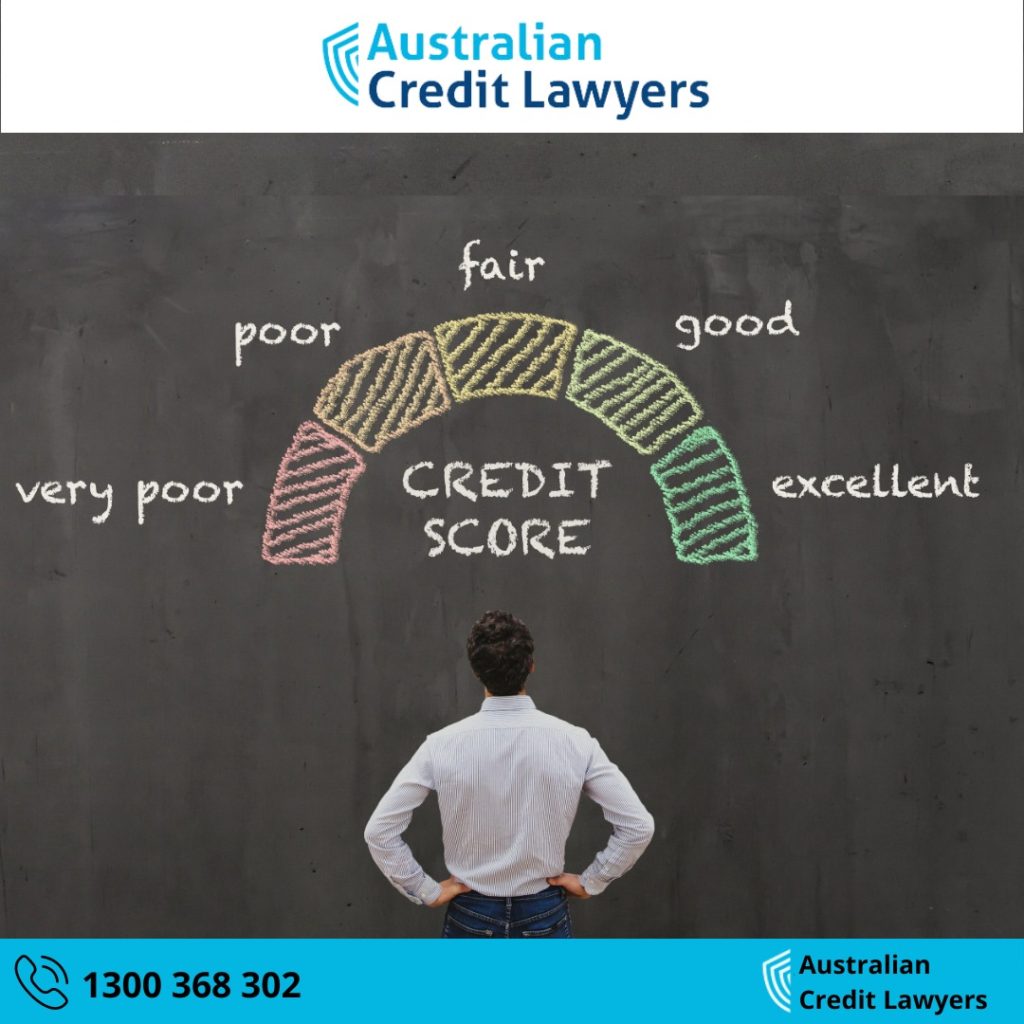
Credit scores vary from 300 (bad) to 850 (outstanding) (excellent). Higher credit scores indicate a continuous history of excellent credit, such as on-time payments, limited credit usage, and lengthy credit history. Lower-rated debtors are deemed risky assets due to late payments or credit abuse.
Although there are no precise cutoffs for excellent or poor grades, there are recommendations for both. Scores over 720 are excellent to most lenders, while scores below 630 are troublesome.
Consumers are becoming more aware of how fixing their credit score may help them better their financial situation, and research backs this up. She discovered that when individuals were mindful of their credit scores, their conduct changed significantly.
"Many individuals believed they got a good score, only to find out later that they had underestimated it," she added. "They recognized they needed to change their credit habits, so they ceased late payments, paid off their credit cards with balances, and their credit ratings improved."
Experian, Equifax, and Illion all provide free credit reports.
Each agency gives you one free report per year. Contact all three agencies in writing since they may include information you should review.
Such as past-due utility or medical bills that debtors never paid before the agencies took over when the bond was forfeited. However, too many people fail to do so and wind up paying the same or more each month.
Account closures and misleading information may result from improperly entered personal information, mismatched social security numbers, a misread handwritten signature, or even misspelled phrases.
A small typographical error, such as using the letter "O" instead of the letter "I" in a person's name, may deny them or their family members of critical financing and have a significant impact on their life.
Australian Credit Lawyers may assist individuals in correcting errors in their credit histories, which detail how they borrow money for emergencies and pay for large purchases over time. If a mistake is discovered on your record, it must be rectified immediately.

Pay your bills on time. Associated with this, make all of your monthly payments on time. Payments that are late or missing will appear on a credit record, lowering a credit score.
Additionally, it is prudent to limit monthly debt payments below 30% of gross income, which should give adequate breathing space in the event that funds become tight for whatever reason.
Establish a track record of prudent borrowing by applying for new lines of credit only when necessary and paying them off gradually, rather than maxing out one card after another or living above your means to manage finances without falling into debt again quickly after budget cuts are implemented.
Debt comes in different types of forms, including credit card debt and school loans. Both should be paid in full each month to minimize the overall amount due and interest rates.
If you miss payment deadlines and can't afford your monthly expenses, do this right away to set up a payment plan. Late payments and large outstanding amounts may be mitigated by quickly resolving your issue.
Although it raises your overall credit limit, applying for or opening several new accounts in a short period lowers your credit score.
The length of your credit history is essential, and the longer, the better. Cancel newer credit accounts first if you have to close older ones.
When a creditor says debt is "charged off," it implies they don't anticipate any further payments. If you pay on a charged-off account, the debt is reactivated, lowering your credit score. When collection agencies are engaged, this often occurs.
The most remarkable approach to establishing excellent credit is to make charging just what you can afford a habit. This practice demonstrates to potential lenders and creditors that you are a responsible borrower.
When you verify that you have the discipline to borrow just what you can afford to repay, it will be simpler to borrow money and get new credit. Not only that, but just charging what you can afford keeps you from getting into too much debt.
Loans are subject to the same restrictions. It would be best if you only procure what you can afford to repay, regardless of what the lender claims you qualify for. Examine your budget to determine what monthly payment you can afford before looking for a loan. Ascertain that your loan payment does not exceed the amount you've calculated.
It's unwise to max out your credit cards—or even come close—especially if you don't intend to pay off the whole amount within the month. Lenders know that borrowers who max out their credit cards have a hard time repaying what they've borrowed.
When you have significant credit card bills and don't pay them off, your credit score falls. It is advisable to keep your balance low concerning your credit limit in order to establish excellent credit.
Trick: If you charge a large amount on your credit card, pay the whole balance before the account statement expires to avoid a large balance being shown on your credit report and used to calculate your credit score.
Paying down your entire amount each month won't be an issue if you're charging what you can afford. Paying off your debt each month demonstrates your ability to pay your obligations, which creditors and lenders value. Because timely payments account for a significant portion of your credit score, settling your bills on time boosts your credit.
Remember: Paying up your credit card amount in full each month also helps you avoid getting into bad credits.
One effective way to enhance your credit score is to make on-time credit card payments.
All of your monthly payments are not shown on your credit report. Bills that aren't reported to the credit agencies on a regular basis won't impact your credit score as long as you pay them on time. Any bill, however, may end up on your credit report if you fall behind on payments and the account is turned over to a collection agency.
To maintain a high credit score, avoid having bad accounts posted to your credit report. Debt collection, for example, is a difficult problem to overcome.
Having a credit card debt isn't always a negative thing as long as you make more than the minimum payment each month to pay it off as soon as feasible. To maintain a decent credit score, avoid making late credit card payments and keep your amount at a moderate level (below 30% of your credit limit).
Making good credit takes practice and consistent effort. The good news is, now it is not that hard, especially if you understand the fundamentals of credit management.
You do not have to be a very smart or a well-known salesperson; all you need is to be attentive and prudent with your money. If you ignore these five tips, you'll continue to lose faith in yourself and your ability to succeed.
Identity fraud occurs when someone uses a false identity to access and use funds. There are many ways for you to remain anonymous when applying for credit or a loan. Your best way is to hire a lawyer who will work with you to create an entirely new identity for you.
This will guarantee that creditors will not be able to find any evidence of your former identification on any of the data they acquire while trying to recover debts from you.
In recent times, credit cards have come under attack by identity thieves who are utilizing the UFID system to fraudulent effect. The attacks are being conducted by people using the names of legitimate people in order to obtain credit cards under their names.
Thankfully, you can protect yourself from becoming a victim of this fraud by contacting an Australian Credit Lawyer who can help you determine whether or not you are at risk of having your identity exposed and please keep an eye on your credit score for any change in your behaviour or the appearance of your accounts.
When bad credit is repaired using the latest technology, the legal fees and costs can be significantly reduced. If you are seeking legal help in order to repair your bad credit, contact the top-rated and licensed legal services providers here in Australia – Australian Credit Lawyer. Call ACL for a Free Credit Repair Consultation.
Related Topic: The Credit Repair Process- How Credit Repair Lawyers Work
The fact is, rebuilding your credit report takes time and patience. But it can pay huge rewards down the road. And by rebuilding your credit report through this comprehensive guide, you can regain access to many opportunities that previously blocked your way.
This article discusses how to rebuild your damaged or limited credit report in a way that helps make it more useful to potential creditors. If you are struggling with debt and have limited access to legal assistance or economic help, Australian Credit Lawyers has been around since 2009, and they specialize in removing any negative information from your credit reports so that you have the chance at a good quality of life again.
Apply for your FREE CREDIT ASSESSMENT Now!
Contact Us:
1300 368 302
help@australiancreditlawyers.com.au
There are several reasons why you should choose Australian Credit Solutions from the many credit repair services available. If you're new to credit repair, we can help review your credit record, identify issues, and create a credit fix strategy tailored for your specific financial situation.
Our team of reliable Credit Solutions can help you identify negative items, fix errors, file disputes, improve your credit score, and get finance. We also provide advice on how to manage your credit and maintain a good credit score so you can stay on top of your finances.
If you need assistance, kindly get in touch with us today. We will communicate clearly and our dedicated Credit Repair specialist will give your Credit file the attention it deserves to get it back on track
Simply click below to fill out the Credit Assessment form and also Schedule a meeting with our Credit Repair Specialist.
You can get a Free Copy of your Credit File on Equifax website or we can organise a premium report for you.
We’ll give you all the information you need to know where you stand.
If you are looking forward to fixing your credit and getting finance as soon as possible, you may contact us or fill out the form on this page to get started