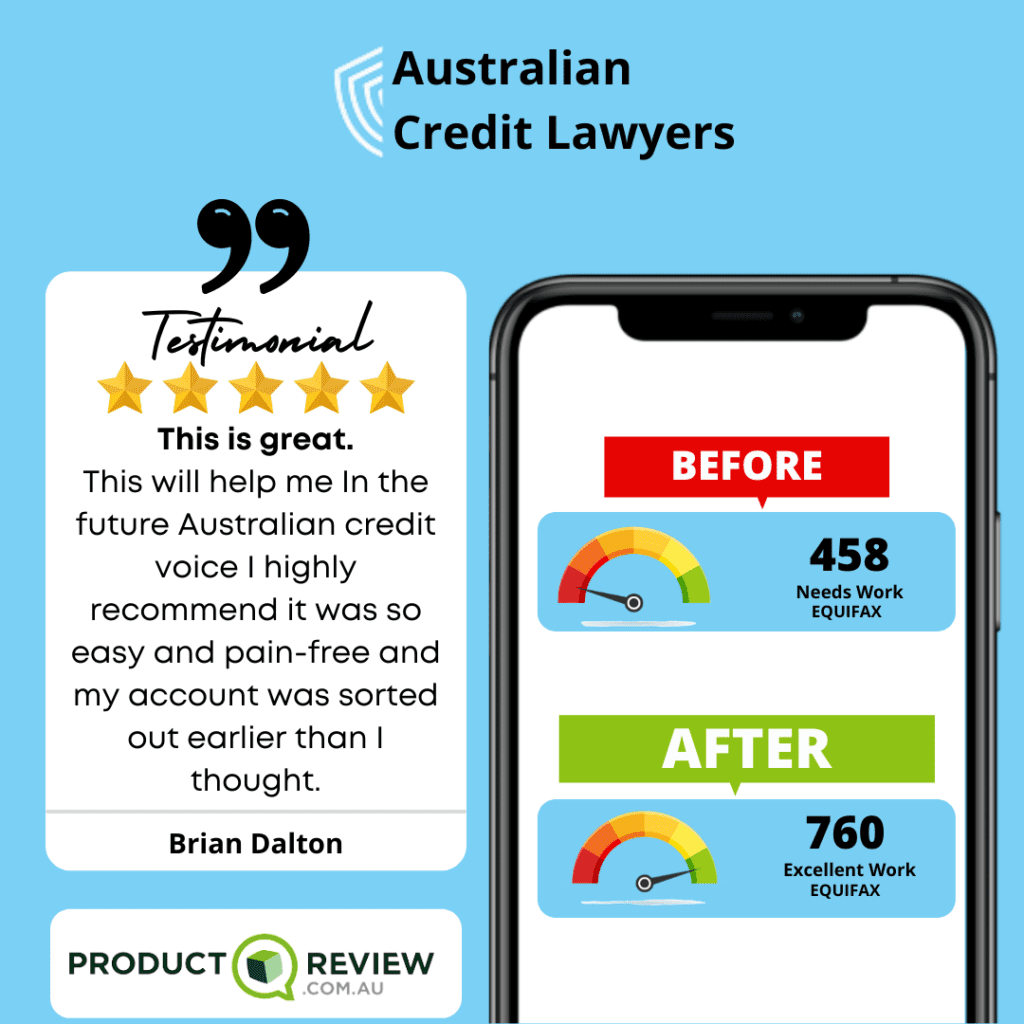
If you're staring at a credit score that makes you cringe, you're probably asking yourself one crucial question: "Is it worth trying to fix this mess, or should I just accept my financial fate?" It's a question that keeps thousands of Australians awake at night, wondering if the time, effort, and potential cost of credit repair will actually make a difference in their lives.
Here's the straight truth: ignoring bad credit never makes it go away. In fact, it usually makes things worse. But the decision to actively repair your credit shouldn't be taken lightly either. There are genuine factors to consider, realistic timelines to understand, and strategies that work better than others.
After helping countless Australians navigate credit challenges, I can tell you that the decision to repair your credit often comes down to understanding your current situation, knowing what's realistically achievable, and having a clear picture of what improved credit can actually do for your life.
Let's cut through the confusion and give you a framework for making this important decision.
The Harsh Reality of Living with Bad Credit in Australia
Before we dive into whether you should repair your credit, let's be brutally honest about what bad credit actually costs you in Australia. This isn't just about higher interest rates – it's about opportunities, choices, and quality of life.
Employment Limitations
More Australian employers are conducting credit checks, particularly for:
- Financial services roles
- Government positions requiring security clearances
- Management and executive positions
- Retail roles involving cash handling
- Any position requiring financial responsibility
A poor credit score could literally cost you your dream job. I've seen qualified candidates miss out on promotions and opportunities simply because their credit history raised red flags with employers.
Housing Challenges
Rental Applications: Property managers increasingly use credit scores to evaluate tenants. Poor credit might mean:
- Rejection from desirable rental properties
- Requirements for larger bonds or guarantors
- Limited housing options in competitive markets
- Higher rental costs due to perceived risk
Home Ownership: This is where bad credit really hurts. The difference between poor and excellent credit on a $500,000 mortgage over 30 years can be:
- $100,000+ in additional interest payments
- Higher deposit requirements (20%+ instead of 5-10%)
- Possible loan rejection entirely
- Limited choice of lenders and loan products
Daily Financial Friction
Bad credit creates constant friction in your financial life:
- Higher interest rates on all loans and credit cards
- Difficulty getting mobile phone contracts
- Utility companies requiring security deposits
- Car loan rejections or sky-high rates
- Credit card applications getting knocked back
- Personal loan options limited to high-cost providers
The Psychological Impact
Perhaps most overlooked is the mental toll. Bad credit creates:
- Constant anxiety about financial applications
- Embarrassment when discussing finances
- Feeling powerless about your financial future
- Stress that affects relationships and mental health
When Credit Repair Makes Absolute Sense
There are clear situations where credit repair isn't just worth it – it's absolutely essential for your financial future.
Scenario 1: Planning Major Life Changes
If any of these apply to you, credit repair should be your priority:
Home Buying Plans: If you're planning to buy property in the next 2-5 years, even modest credit improvements can save tens of thousands of dollars. Starting credit repair now could be the difference between getting approved or being rejected.
Career Advancement: If you're in a field where credit checks are common, or you're eyeing promotions that might involve financial responsibility, good credit is non-negotiable.
Business Ownership Dreams: Planning to start a business? Your personal credit score often determines your access to business loans, equipment financing, and even business credit cards.
Relationship Milestones: Getting married or planning a family often involves major financial decisions – joint loans, mortgages, increased insurance needs. Poor credit affects your partner's financial options too.
Scenario 2: Your Credit Problems Are Recent
If your credit issues developed in the last 12-24 months due to:
- Temporary unemployment or income reduction
- Medical emergencies or unexpected expenses
- Divorce or family breakdown
- Business failure or economic downturn
Recent credit problems are often the easiest to repair because:
- The damage is limited in scope
- You likely have a history of good credit to rebuild on
- Creditors are more willing to negotiate recent issues
- Credit scoring models give more weight to recent behaviour
Scenario 3: You Have Errors on Your Credit Report
If your credit report contains errors (which happens more often than you'd think), repair isn't just worthwhile – it's a legal right. Common errors include:
- Payments incorrectly marked as late
- Accounts that don't belong to you
- Duplicate listings of the same debt
- Debts that were paid but still show as outstanding
- Incorrect personal information affecting your file
Fixing errors can sometimes boost your score by 50-100 points within 30-60 days.
Scenario 4: You Can Address Root Causes
Credit repair works best when you can honestly say:
- You understand what caused your credit problems
- Your income is now stable or improving
- You have a realistic budget and financial plan
- You're committed to changing the behaviours that created the problems
Without addressing root causes, credit repair becomes a expensive band-aid solution.
When Credit Repair Might Not Be Worth It
Despite what some credit repair companies might tell you, there are situations where aggressive credit repair efforts might not be the best use of your time and money.
Scenario 1: Recent Bankruptcy
If you've recently declared bankruptcy, your credit repair timeline is largely fixed by law:
- Bankruptcy stays on your credit file for 5 years in Australia
- During this time, credit score improvements will be gradual
- Focus might be better spent on rebuilding savings and financial habits
- Major credit improvements typically won't happen until year 3-4 post-bankruptcy
That said, even with bankruptcy on your file, you can still work on building positive credit history for when the bankruptcy does fall off your report.
Scenario 2: Multiple Recent Defaults
If you have multiple defaults from the last 12 months and your financial situation hasn't stabilised:
- Focus on financial stability first
- Address ongoing payment issues before worrying about credit score
- Ensure you can maintain consistent payments going forward
- Consider debt counselling or financial planning services
Trying to repair credit while still accumulating new problems is like trying to fill a bucket with holes in the bottom.
Scenario 3: No Immediate Need for Credit
If you:
- Don't plan any major purchases in the next 3-5 years
- Have stable employment that doesn't require credit checks
- Are comfortable with your current housing situation
- Have adequate savings for emergencies
You might choose to let time naturally improve your credit rather than actively investing in repair. Australian credit reports automatically remove most negative information after 5 years.
However, even in these situations, basic credit maintenance (paying bills on time, monitoring your report) is still worthwhile.
The 10 Warning Signs That Scream "Fix Your Credit Now"
Sometimes the decision isn't complicated – these warning signs indicate that credit repair should be your immediate priority:
1. Credit Card Applications Keep Getting Rejected
If mainstream credit card companies are rejecting your applications, it's a clear signal that your credit needs attention. When you can't even qualify for basic credit products, it's time to take action.
2. Utility Companies Demand Security Deposits
When electricity, gas, or water companies require deposits before connecting services, they're essentially telling you that your credit risk is too high for standard terms. This affects your cash flow and signals broader credit problems.
3. Debt Collectors Are Calling
Once debts go to collection agencies, they're reporting negative information to credit bureaus. These accounts can devastate your credit score and will continue to hurt you until addressed.
4. You Can't Get Anyone to Co-sign Loans
When family and friends won't co-sign loans because they're concerned about your financial reliability, it's a wake-up call about the severity of your credit situation.
5. Employers Are Rejecting You Due to Credit Checks
If credit checks are preventing you from getting jobs or promotions, your credit problems are directly impacting your earning potential. This creates a vicious cycle that needs to be broken.
6. Landlords Won't Rent to You
When property managers reject your rental applications based on credit checks, you're facing immediate housing security issues. This is often the point where credit problems become life problems.
7. You're Afraid to Check Your Credit Report
If you're avoiding looking at your credit report because you're scared of what you'll find, that fear is probably justified. Facing the reality is the first step toward improvement.
8. Your Credit Score Is Below 550
In Australia's credit scoring system, anything below 550 puts you in serious trouble territory. At this level, mainstream lenders will reject most applications, leaving you with expensive alternatives.
9. Interest Rates Keep Increasing
If credit card companies are raising your rates or reducing your limits based on credit report information, it indicates your credit situation is deteriorating and affecting existing accounts.
10. Multiple Accounts Are Being Closed
When credit providers start closing your accounts due to credit concerns, it's a clear indication that your credit profile is considered high risk. This needs immediate attention.
Your Credit Repair Decision Framework
Use this framework to make an informed decision about whether credit repair is right for your situation:
Step 1: Assess Your Current Reality
Get Your Credit Reports: Obtain reports from Equifax, Experian, and Illion. You need to know exactly what you're dealing with.
Calculate the Impact: Estimate how much bad credit is actually costing you:
- Higher interest rates on existing debts
- Missed opportunities (jobs, rentals, loans)
- Security deposits and additional fees
- Opportunity costs from limited options
Identify the Issues: Determine what's hurting your score:
- Payment history problems
- High credit utilisation
- Defaults or collections
- Errors or inaccuracies
- Too many credit inquiries
Step 2: Evaluate Your Capacity for Change
Financial Stability: Can you honestly say:
- Your income is stable or improving
- You understand what caused your credit problems
- You have a realistic budget you can stick to
- You can commit to consistent, on-time payments
Time and Resources: Consider:
- How much time you can dedicate to credit repair
- Whether you can afford professional help if needed
- Your patience for a process that takes months or years
- Whether you have support systems in place
Step 3: Project Your Timeline and Goals
Short-term Goals (6-12 months):
- Fix any errors on your credit reports
- Bring any overdue accounts current
- Reduce credit utilisation to below 30%
- Establish consistent payment patterns
Medium-term Goals (1-3 years):
- Achieve credit scores in the "good" range (622-725)
- Qualify for mainstream credit products
- Reduce interest rates on existing debts
- Build emergency fund to prevent future problems
Long-term Goals (3-5 years):
- Achieve excellent credit (800+)
- Qualify for premium mortgage rates
- Have access to the best credit products
- Build wealth through favourable borrowing terms
Step 4: Consider Professional vs DIY Approach
DIY Makes Sense When:
- Issues are straightforward (errors, high utilisation)
- You have time to manage the process
- Problems are recent and limited
- You enjoy learning about financial topics
Professional Help Makes Sense When:
- Issues are complex (multiple defaults, identity theft)
- You're time-poor or find the process overwhelming
- You need results quickly for a major purchase
- Previous DIY efforts haven't succeeded
Realistic Expectations: What Credit Repair Can and Can't Do
Let's set realistic expectations about what credit repair can actually achieve:
What Credit Repair CAN Do:
Remove Errors: Legitimate errors can be removed, sometimes dramatically improving scores within 30-60 days.
Negotiate with Creditors: Skilled negotiators can sometimes secure:
- Payment plans that prevent further damage
- "Pay for delete" agreements that remove negative listings
- Goodwill deletions for customers with overall good history
Improve Credit Utilisation: Strategic balance management can improve scores relatively quickly.
Build Positive History: Secured cards and credit builder products can establish positive payment patterns.
Provide Guidance: Good credit repair services educate you about maintaining good credit long-term.
What Credit Repair CAN'T Do:
Remove Accurate Information: Legitimate negative information generally can't be removed before the legal timeframes expire.
Guarantee Specific Scores: No one can guarantee specific score improvements or timelines.
Fix Ongoing Problems: If you're still accumulating new debts or missing payments, repair efforts will be limited.
Work Overnight: Significant credit repair typically takes 6-18 months, sometimes longer.
Replace Financial Discipline: Without changing underlying financial behaviours, credit problems will recur.
Building Your Credit Repair Action Plan
If you've decided that credit repair is worth pursuing, here's your systematic approach:
Phase 1: Foundation (Month 1)
Documentation and Analysis:
- Obtain credit reports from all three agencies
- Create a comprehensive list of all negative items
- Identify obvious errors or questionable listings
- Calculate your total debt and monthly obligations
Immediate Actions:
- Set up automatic payments for all current accounts
- Ensure all future payments will be on time
- Stop using credit cards to prevent further debt accumulation
- Create a realistic budget that you can actually maintain
Phase 2: Error Correction (Months 1-3)
Dispute Process:
- File disputes for any errors found on your reports
- Provide supporting documentation for disputes
- Follow up on dispute responses from credit agencies
- Re-dispute if initial responses are unsatisfactory
Documentation:
- Keep detailed records of all dispute correspondence
- Track response times and outcomes
- Maintain copies of all supporting documents
- Monitor your credit reports for updates
Phase 3: Strategic Negotiation (Months 2-6)
Creditor Communication:
- Contact creditors for accounts in good standing to request goodwill deletions
- Negotiate payment plans for outstanding debts
- Explore "pay for delete" opportunities with collection agencies
- Document all agreements in writing before making payments
Account Management:
- Pay down high-utilisation credit cards strategically
- Consider debt consolidation if it improves your situation
- Keep old accounts open to maintain credit history length
- Request credit limit increases on cards in good standing
Phase 4: Credit Building (Months 3-12)
New Credit Strategy:
- Consider a secured credit card if you can't qualify for unsecured cards
- Become an authorised user on family member's account with good history
- Look into credit builder loans from credit unions
- Use new credit responsibly with low utilisation
Monitoring and Maintenance:
- Check credit scores monthly to track progress
- Review credit reports quarterly for any new issues
- Maintain consistent payment patterns across all accounts
- Adjust strategies based on what's working
Phase 5: Optimisation (Months 6-18)
Fine-Tuning:
- Optimise credit utilisation across all accounts
- Request periodic credit limit increases
- Consider additional credit products to improve credit mix
- Plan for major purchases with credit requirements
Long-term Maintenance:
- Establish permanent systems for bill payment and monitoring
- Build emergency funds to prevent future credit problems
- Educate yourself about ongoing credit management
- Plan your transition away from active credit repair
The Professional Help Decision: When to Go It Alone vs Getting Expert Assistance
Consider Professional Help When:
Complex Issues:
- Multiple defaults or judgments need addressing
- Identity theft has affected your credit file
- You're facing legal action from creditors
- Bankruptcy or insolvency proceedings are involved
Time Constraints:
- You're preparing for a major purchase (home, car, business)
- Career opportunities require clean credit quickly
- You simply don't have time to manage the process yourself
Lack of Success:
- Previous DIY attempts haven't produced results
- Creditors aren't responding to your communication
- You're unsure about dispute strategies or negotiations
Emotional Factors:
- The stress of dealing with credit issues is overwhelming
- You prefer having an advocate handle creditor communications
- You want professional guidance throughout the process
DIY Approach Works When:
Straightforward Issues:
- Problems are mainly errors or high utilisation
- You have time to learn and manage the process
- Issues are recent and limited in scope
Financial Considerations:
- Professional fees would strain your budget
- You prefer to invest the money in debt reduction
- You want to learn credit management skills yourself
Choosing Quality Professional Help
If you decide on professional assistance, avoid these red flags:
Avoid Services That:
- Guarantee specific score improvements or timelines
- Demand large upfront payments
- Promise to remove accurate negative information
- Use high-pressure sales tactics
- Have poor reviews or regulatory complaints
Look for Services That:
- Offer free consultations and transparent pricing
- Provide realistic expectations about outcomes
- Have proper licensing and good industry reputation
- Include education and long-term support
- Work on contingency or reasonable monthly fees
The Cost-Benefit Analysis: Is Credit Repair Worth the Investment?
Let's break down the real costs and benefits to help you make an informed decision:
Costs of Credit Repair
DIY Approach:
- Time investment: 5-10 hours per month
- Credit monitoring services: $10-30 monthly
- Postage and documentation costs: $50-100 annually
- Opportunity cost of your time
Professional Services:
- Initial consultation: Often free
- Monthly fees: $100-300 per month
- Setup fees: $100-500
- Total investment: $1,000-5,000 depending on complexity and duration
Potential Benefits
Interest Rate Savings: On a $400,000 mortgage over 30 years:
- Excellent credit (750+): 6.0% = $2,398/month
- Poor credit (550): 8.5% = $3,077/month
- Monthly savings: $679
- Total savings over loan term: $244,440
Opportunity Access:
- Job opportunities requiring credit checks
- Rental applications in competitive markets
- Business loan approvals for entrepreneurial ventures
- Access to premium credit products with rewards
Quality of Life Improvements:
- Reduced financial stress and anxiety
- Increased confidence in financial applications
- Better sleep and mental health
- Improved relationship dynamics around money
Return on Investment Calculation: If credit repair costs you $2,000 but saves you $200 monthly in interest and fees, you break even in 10 months. Everything after that is pure savings.
Common Credit Repair Mistakes That Waste Time and Money
Avoid these common pitfalls that can derail your credit repair efforts:
Mistake 1: Focusing Only on Credit Score
Many people obsess over credit scores while ignoring the underlying behaviours that created the problems. Your credit score is a symptom, not the disease. Focus on:
- Budgeting and expense management
- Building emergency funds
- Changing spending habits
- Creating sustainable financial systems
Mistake 2: Trying to Rush the Process
Credit repair is a marathon, not a sprint. Attempting to rush by:
- Opening multiple new accounts quickly
- Disputing everything indiscriminately
- Making unrealistic payment commitments
- Expecting overnight transformations
Usually backfires and can make things worse.
Mistake 3: Ignoring Root Causes
If you repair your credit without addressing what caused the problems, you'll likely end up back where you started. Common root causes include:
- Inadequate emergency funds
- Overspending habits
- Lack of financial knowledge
- Income instability
- Medical or family emergencies
Address these alongside credit repair for lasting results.
Mistake 4: Falling for Credit Repair Scams
Unfortunately, the credit repair industry attracts some unscrupulous operators. Avoid:
- Companies promising impossible results
- Upfront fee demands before any work is done
- Advice to create new credit identities
- Unrealistic timelines or guarantees
Legitimate credit repair takes time and follows legal processes.
Mistake 5: Neglecting Ongoing Maintenance
Once you've improved your credit, maintaining it requires ongoing attention:
- Regular credit report monitoring
- Continued responsible credit use
- Emergency fund maintenance
- Annual financial planning reviews
Many people improve their credit, then slide back into old habits.
Special Considerations for Different Situations
Recent Immigrants to Australia
If you're new to Australia, you're essentially starting with no credit history, which can be challenging but also easier than repairing damaged credit:
Advantages:
- No negative history to overcome
- Can build good habits from the start
- Eligible for some newcomer financial products
Challenges:
- Limited credit options initially
- May need secured products or guarantors
- Employment history requirements for credit
Strategy: Focus on building positive credit history through secured cards, utility payments, and banking relationships.
Young Adults (18-25)
Young people often face credit challenges due to limited income and financial inexperience:
Common Issues:
- Student loan management problems
- Credit card overspending
- Limited understanding of credit impact
Strategies:
- Education about credit fundamentals
- Starting with small credit products
- Learning budgeting and financial management
- Building emergency funds early
Divorced or Separated Individuals
Relationship breakdowns often create credit complications:
Common Problems:
- Joint accounts affecting both parties
- Responsibility for partner's debts
- Changed financial circumstances
Strategies:
- Separate all joint financial accounts
- Understand your legal responsibilities for joint debts
- Rebuild individual credit history
- Update all financial documentation
Small Business Owners
Entrepreneurs face unique credit challenges:
Business vs Personal Credit:
- Understand how business credit affects personal credit
- Separate business and personal finances
- Build both business and personal credit simultaneously
Cash Flow Challenges:
- Irregular income affects credit management
- Seasonal businesses need different strategies
- Emergency funds are crucial for payment consistency
Taking Action: Your Next Steps
If you've decided that credit repair is worth pursuing, here's exactly what to do next:
This Week: Assessment and Foundation
- Order credit reports from all three Australian credit agencies
- Review each report thoroughly and note all negative items
- Create a comprehensive list of all debts and monthly obligations
- Set up automatic minimum payments on all current accounts
This Month: Quick Wins and Planning
- Dispute any obvious errors found on your credit reports
- Pay down credit card balances to below 30% utilisation
- Create a realistic budget that you can maintain long-term
- Research whether professional help would benefit your situation
Next 3 Months: Strategic Implementation
- Follow up on credit report disputes and re-dispute if necessary
- Begin negotiations with creditors for payment plans or deletions
- Consider secured credit products if needed to build positive history
- Monitor your credit scores monthly to track progress
Next 6-12 Months: Building and Optimisation
- Focus on consistent, on-time payments across all accounts
- Gradually improve credit utilisation ratios
- Build emergency funds to prevent future credit problems
- Consider additional credit products to improve credit mix
Long-term: Maintenance and Wealth Building
- Establish permanent systems for credit monitoring and management
- Use improved credit to access better financial products
- Focus on wealth-building activities enabled by good credit
- Share your knowledge to help others avoid credit problems
The Bottom Line: Is Credit Repair Worth It?
After helping thousands of Australians navigate credit challenges, here's my honest assessment:
Credit repair IS worth it if:
- You have specific goals that require good credit (home buying, career advancement, business ownership)
- Your credit problems are fixable (errors, recent issues, manageable debt levels)
- You're committed to addressing the root causes of your credit problems
- You have realistic expectations about timelines and outcomes
Credit repair might NOT be worth active investment if:
- Your problems are severe and recent (recent bankruptcy, multiple current defaults)
- You have no immediate need for credit and can wait for natural improvement
- You're not in a position to change the behaviours that created the problems
- The cost of professional help would create additional financial stress
Regardless of your situation, basic credit maintenance is always worthwhile:
- Monitor your credit reports annually
- Pay all bills on time
- Keep credit utilisation low
- Build emergency funds to prevent future problems
Ready to Transform Your Financial Future?
The decision to repair your credit is ultimately about taking control of your financial destiny. Every day you wait is another day of potentially higher interest rates, missed opportunities, and financial stress.
Your credit score affects virtually every major financial decision you'll make for the rest of your life. The question isn't whether you can afford to invest in credit repair – it's whether you can afford not to.
Ready to discover exactly what credit repair can do for your specific situation?
Don't spend another week wondering about your options or feeling overwhelmed by your credit challenges. Our expert team has helped thousands of Australians transform their credit profiles and unlock financial opportunities they thought were impossible.
We'll provide a comprehensive analysis of your credit reports, identify the fastest path to improvement, and create a personalised strategy designed to get you results as quickly as possible. Whether you need simple error corrections, complex negotiations, or complete credit rebuilding, we have the expertise and track record to help you succeed.
Book your free credit assessment today and discover exactly how credit repair can change your financial life. We'll show you specific improvement opportunities, potential savings from better credit, and create a realistic timeline for achieving your credit goals.
Your financial future is too important to leave to chance. Take control today and discover what's possible when you have the right strategy and expert guidance on your side.